Water Damage Restoration King of Prussia, PA
Water damage restoration in King of Prussia starts with the source, the wet materials and a safe route inside. The restoration team extracts standing water, measures hidden moisture and manages drying with 24/7 dispatch.
(888) 557-1733Wet rooms need actionSupply leaks, basement water and sewage need different cleanup decisions. The assessment identifies the water category before equipment starts moving air.
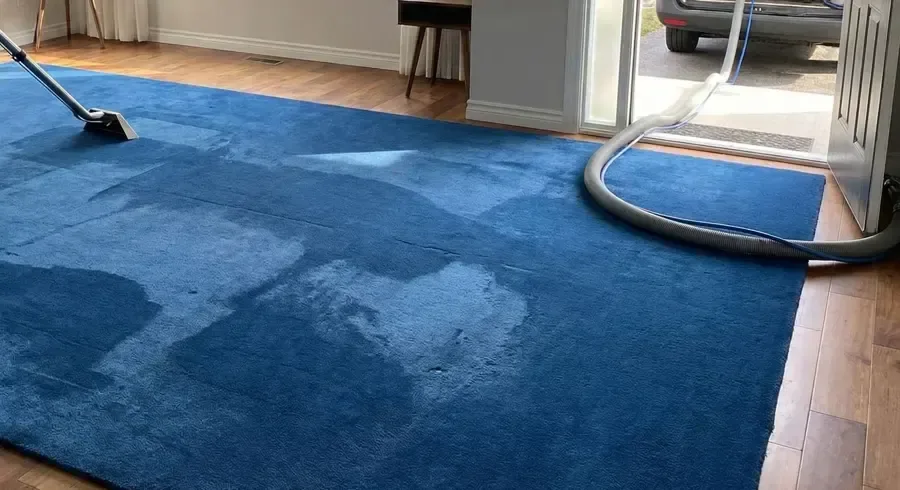
What to do while the water is still moving
- 1
Keep a dry approach
Occupants avoid standing water near electrical equipment and stay outside rooms with unstable ceilings.
- 2
Isolate a safe supply
A reachable shutoff can stop a plumbing release; nobody crosses a wet electrical area to reach it.
- 3
Preserve the water path
Photos from dry ground record the starting room, wet edges and affected belongings before movement changes the scene.
- 4
Separate clean belongings
Dry possessions stay outside the affected area. Wet sewage-contaminated items do not move through clean rooms.
- 5
Describe the loss
Dispatch needs the source if known, affected floors, active flow and access concerns to plan extraction and drying.
Water Damage Restoration Services in King of Prussia, PA
A split-level ceiling leak needs a different inspection from a flooded lower level. These services address the source, the path through the building and the materials left wet.
 Water ExtractionStanding water leaves through pumps and extraction equipment before the drying team addresses moisture inside floors.
 Burst Pipe Water DamageA sudden supply rupture can wet several rooms. The crew follows the pressurized spray and spreading floor water.
 Slab Leak Water DamagePersistent dampness over concrete calls for source isolation and moisture testing below the finished floor.
 Ceiling Leak Water DamageSagging drywall and wet light fixtures change the access plan. Ceiling cavities need assessment before opening.
 Roof Leak Water DamageRain entry can travel along roof framing before staining a room. Attic insulation and sheathing need separate checks.
 Storm Flood CleanupOutdoor water brings contamination indoors. Cleanup begins with access safety, debris removal and affected porous materials.
 Water Heater Leak CleanupA leaking tank can saturate a closet, garage or adjoining wall. Cleanup follows the escaped water beyond the heater.
 Appliance Leak Water DamageWasher hoses, dishwasher drains and refrigerator supplies leave different wet paths beneath cabinets and flooring.
 Toilet Overflow CleanupThe overflow source determines contamination controls. Bathroom water often reaches seams and the ceiling below.
 Sewage Backup CleanupCategory 3 cleanup contains the affected space, removes contaminated porous materials and cleans remaining hard surfaces.
 Structural DryingMoisture readings set the equipment plan and final drying goal for framing, wall cavities and layered floors.
 Commercial Water DamageOccupied buildings need clear access routes, protected equipment and a drying plan organized around affected work areas.
 Frozen Pipe Water DamageA thawing split pipe may release water into an enclosed wall. The team tracks damage after supply isolation.
 Basement Water RemovalLower-level water can hide around storage, wall bottoms and floor assemblies. Pump-out and moisture mapping address both.
 Sump Pump Failure CleanupAn overflowing basin needs pump-system attention and cleanup of the basement materials the escaped water reached.
Water damage dried to the IICRC S500 standard
The drying team follows material readings from the first inspection through the final check. Technicians check beneath surface finishes to track moisture in the wall, subfloor or slab.
- 1
Locate the wet boundary
Meters compare affected materials with dry reference areas, while thermal imaging helps identify locations that need closer measurement.
- 2
Remove liquid and trapped water
Extraction reduces the water load before air movement begins. The crew checks beneath coverings and inside accessible voids for remaining pockets.
- 3
Control evaporation and humidity
Air movers expose wet surfaces to moving air while LGR dehumidifiers collect the moisture entering the room. Dense assemblies may need specialized drying.
- 4
Verify before equipment leaves
Daily material and air readings show progress. The team adjusts the setup when a pocket stalls and records the final comparison with dry references.
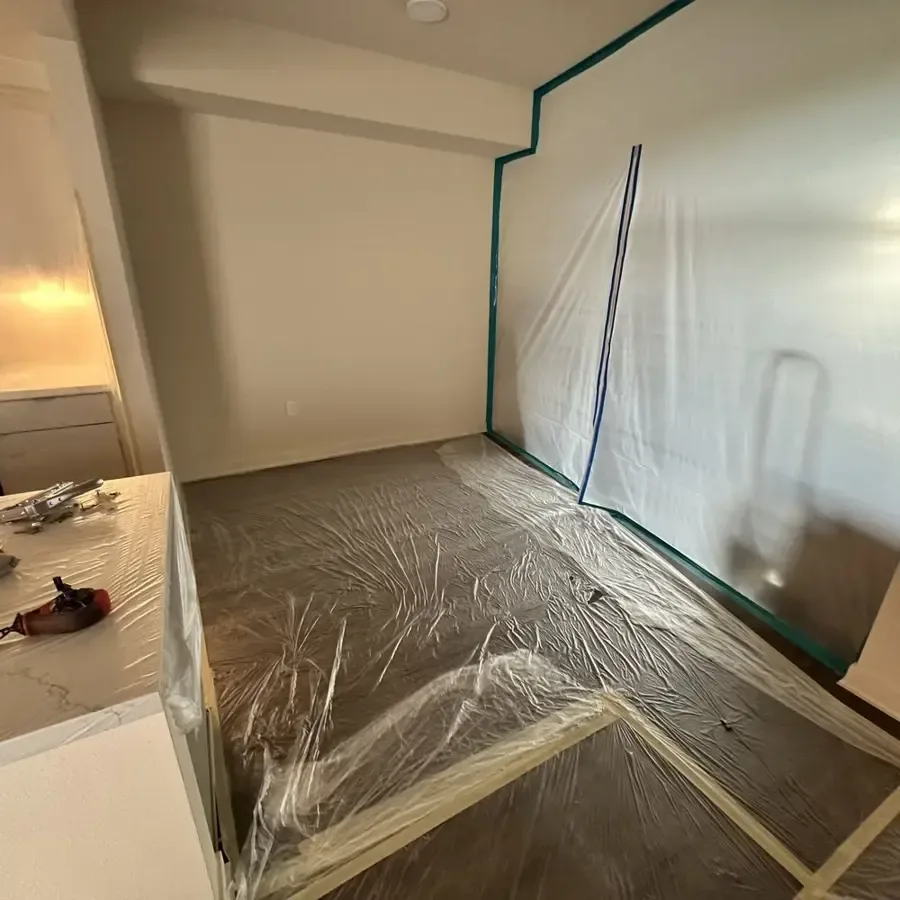
All water damage categories covered in King of Prussia, PA
Category 1: sanitary source
A broken supply can begin as clean water. Time and contact with dirty materials can change the condition, so the assessment checks more than the fixture.
Extract a supply-water lossCategory 2: contaminated discharge
Appliance wastewater can carry contaminants even when it looks clear. Cleaning and removal decisions follow the source and the affected material, not appearance alone.
Trace an appliance releaseCategory 3: gross contamination
Sewage and outdoor floodwater demand separation from clean areas. The mitigation team removes affected porous materials and cleans salvageable hard surfaces before drying.
Review sewage containmentWhat does water damage restoration cost in King of Prussia, PA?
A limited clean-water dry-out commonly falls around $900 to $2,500. Several wet rooms can reach $2,500 to $6,500, while extensive contaminated losses can exceed $12,000. The actual scope depends on water category, affected area, material class and delay.
The cost calculator illustrates these drivers. It provides a planning range only; hidden water, contamination and the condition of the building determine the assessment and written scope.
Drying timeline and the drying goal
A contained clean-water loss may dry in three to five days, but layered floors, dense wood and concrete can need longer. Equipment stays until measurements support removal, rather than stopping when a calendar estimate expires.
Coverage needs a separate check
The insurer reviews the observed cause alongside the policy, endorsements and reporting requirements. Photographs of the first water entry and a clear timeline help organize that review.
The property owner sends the loss record to the insurer and asks which documents are needed next. The mitigation file records the wet rooms, material removal, equipment use and final drying readings.
Documentation for your insurance claim
The restoration file connects the observed source to the wet materials and work performed. Clear records help an adjuster evaluate the loss without relying on a single after-cleanup photograph.
- Room-by-room moisture map and dry comparison points
- Photographs before extraction and material removal
- Daily psychrometric readings and equipment changes
- Water category, affected material class and disposal notes
- An itemized mitigation scope and final drying record
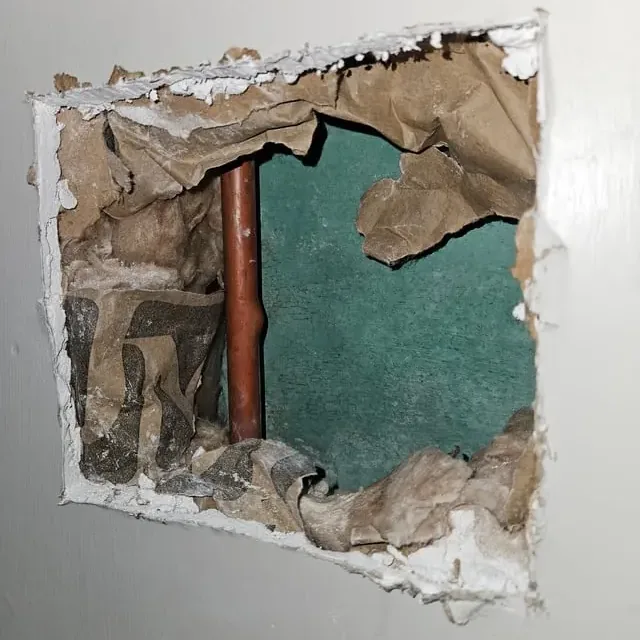
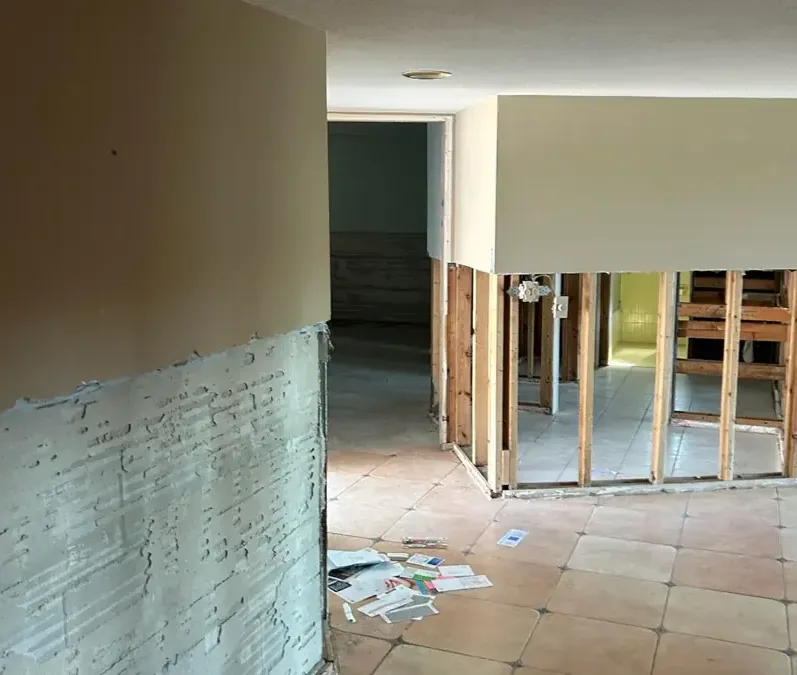
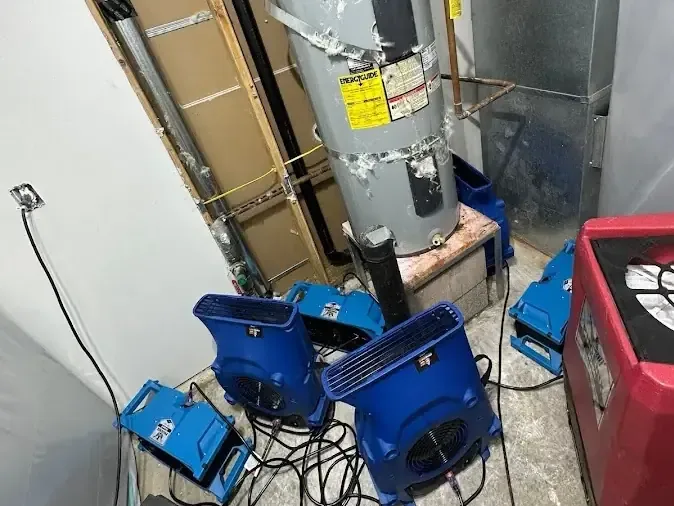
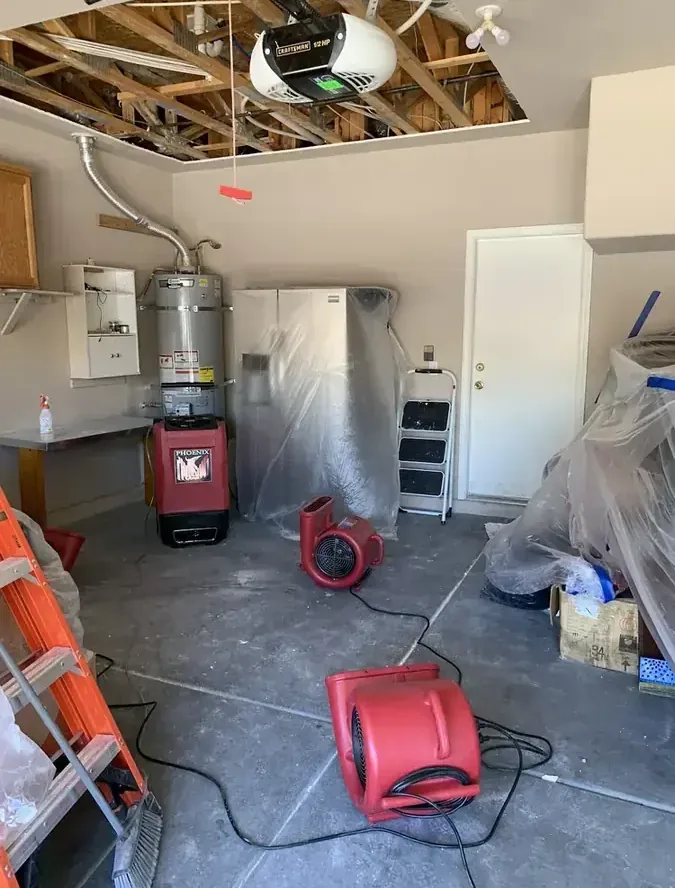
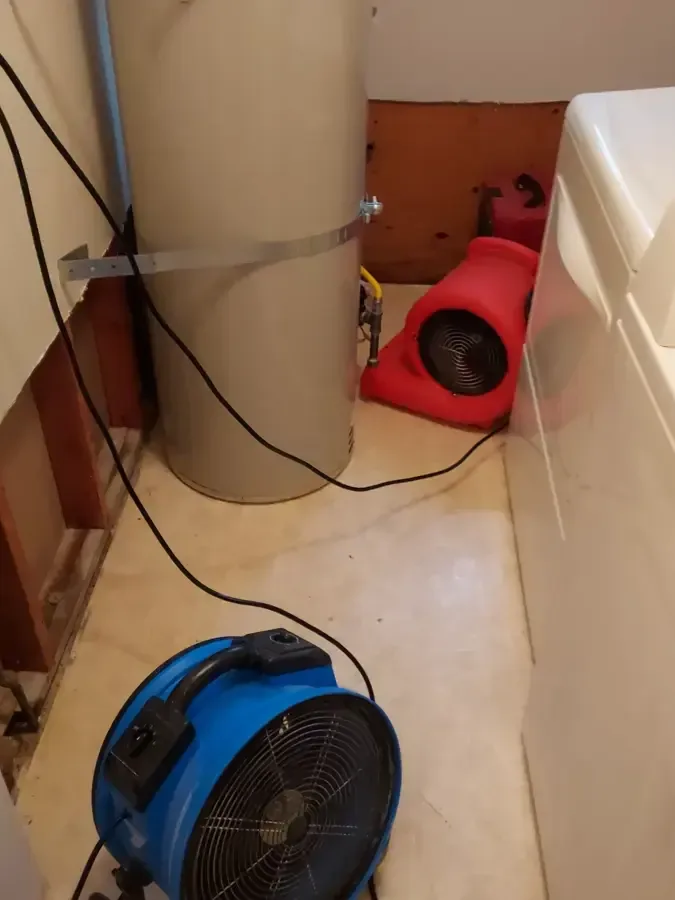
What a water damage dry-out looks like in King of Prussia
One call reaches King of Prussia water damage pros, 24/7
The response team asks whether water is active, which levels are affected and whether a dry access path remains. Those details shape the first cleanup priorities.
King of Prussia Water Damage Restoration addresses extraction, sewage cleanup and structural drying. The property assessment separates source repair needs from the moisture still inside building materials.
Rapid local response
The response team treats moving water and unsafe access as urgent, beginning with information about the affected rooms and source.
IICRC S500 drying standard
The drying plan accounts for water category, material class and the moisture load remaining after extraction.
Claim-ready documentation
Timestamped photographs, measured wet boundaries and daily logs explain why the scope includes particular materials and equipment.
Local water experts
The assessment covers mid-century split levels and newer shared buildings, with direct checks of concealed plumbing routes and floor construction.
King of Prussia Water Damage Restoration
(888) 557-1733Describe the wet roomsWater damage in King of Prussia: local factors
King of Prussia is a community in Upper Merion Township, not an incorporated city. Its mid-century houses and newer residential buildings call for different checks of concealed spaces and shared boundaries.
- Different building eras: Local housing includes capes, colonials and split levels, with many single-family homes from the 1950s through 1970s. The team verifies each assembly rather than guessing.
- Shared residential spaces: King of Prussia Town Center combines residential and commercial uses. A leak investigation must establish which room, unit or common space contains the source.
- River setting: The Schuylkill River forms the northern CDP boundary. The crew traces how water entered the building and records the affected rooms. Property owners can review the PA Flood Risk Tool for mapping information.
- Water service boundaries: Aqua Pennsylvania and Pennsylvania American Water serve the area. The property account identifies the relevant provider when an outside supply problem accompanies indoor damage.
- Parcel-specific flood review: The PA Flood Risk Tool helps examine mapping. It is not a final hazard determination, so flood-zone decisions need the appropriate official review.
A local infrastructure example: A reported water-main break at the mall produced a sinkhole. That incident illustrates why outdoor flow and unstable ground require utility attention before a cleanup crew enters the affected area.
King of Prussia coverage and nearby boroughs
Community and corridors
- Upper Merion Township
- DeKalb Pike
- US 202
- US 422
- King Manor
- Gulph Mills
Primary ZIP served
Nearby boroughs
Norristown Conshohocken Collegeville Ambler LansdaleKing of Prussia water damage questions
A source description, safe entry route and list of affected rooms help the response team organize extraction and the first moisture inspection.
(888) 557-1733What does the crew check first?
The restoration team checks access safety, the apparent source, water category and wet materials. Meters help identify a boundary beyond the visible puddle. The initial plan distinguishes source repair from extraction and drying so a stopped leak does not leave hidden moisture untreated.
Can equipment start before the source is repaired?
The crew can sometimes limit spreading water while a plumber isolates the failure, provided access and electrical conditions allow safe work. Continued flow changes the plan. Drying equipment cannot compensate indefinitely for an active pipe release or ongoing outdoor water entry.
Why does water remain after a floor looks dry?
Floor coverings, underlayment and wall bottoms can absorb water or trap it underneath. Surface appearance gives only one clue. The drying technician compares readings at several depths and locations before deciding whether a covering needs to lift or a cavity needs access.
Is every basement puddle a sewer backup?
No. Supply leaks, surface entry, sump overflow and sanitary backups can all affect a lower level. The source determines contamination controls. An unexplained odor, repeated drain rise or dirty water warrants isolation until the assessment establishes what entered the room.
How does the team decide that drying is complete?
The team compares affected materials with appropriate dry references and the recorded drying goal. Daily temperature, humidity and material readings reveal stalled areas. Equipment removal follows those results, with dense or layered materials receiving further checks when surface readings alone are insufficient.
What goes in the water damage claim file?
The file includes photographs of the affected rooms, source observations, moisture readings and an itemized record of mitigation work. The property owner shares it with the adjuster. The insurer reviews the cause and policy terms, while the crew documents the cleanup and drying completed at the property.
Can belongings stay in the affected room?
The crew evaluates the contents, water category and room access. Dry belongings may need relocation to protect them and expose wet surfaces. Items touched by sewage require separate handling so contaminated material does not travel through clean living areas during removal.
What makes an apartment loss more complicated?
Water can pass from an upper unit into ceilings, common walls and rooms below. Building management may need to coordinate access to more than one space. The drying plan follows the full wet path and records which assemblies belong to each affected area.
Which details help during a 24/7 water emergency?
Useful details include whether water still flows, the suspected fixture or entry point, affected floors and any electrical or ceiling concerns. Nobody needs to enter an unsafe room to collect them. Photographs from a dry position can supplement a clear description of the problem.
Standing water or a growing wet patch?
The extraction crew removes liquid water, and the drying team checks what remains inside the structure before the work ends.